The Uncertain Future and Truth About Social Security

Addressing the Social Security funding shortfall is undoubtedly a complicated matter with a range of proposals typically divided into two main strategies: boosting revenue or cutting benefits/costs.
Current projections indicate that, without any legislative action, the combined trust funds for Social Security (Old-Age and Survivors Insurance and Disability Insurance) will continue to provide full benefits until around 2034. After that point, tax income would still cover about 81% of scheduled benefits.
Honestly, if I were told that I’d face a 19% reduction in benefits that I’ve contributed to throughout my life, I would understandably be quite upset. Many retirees are already struggling to make ends meet with the current benefit levels. This is why I strongly believe we need to tackle this issue now instead of pushing it off like Congress often does with pressing matters. Taking action sooner rather than later will yield less severe consequences for everyone since no one can really afford a 19% cut in their benefits.
The root cause of our current situation stems from a declining ratio of contributors to beneficiaries. Back in 1960, there were over five workers for each beneficiary; today, that number has dwindled to less than three. Social Security is now paying out more in benefits than it's collecting from the dedicated payroll tax revenue (FICA taxes). To fill this gap, the program has been relying on the interest from its trust fund reserves, and eventually, the principal. When those reserves run out, the program will only be able to distribute what it earns from current taxes.
So, what options are on the table?
1. Gradually adjust the full retirement age to reflect longer life expectancies. Americans are living longer and healthier lives than when Social Security was created in 1935. We should phase in a modest increase in the full retirement age (currently 67 for those born after 1960) to around 69 over time—for younger workers only. This isn’t a cut; it’s an adjustment to reality. It encourages people to work a bit longer, boosts economic productivity, and significantly closes the funding gap without touching benefits for anyone already retired or close to it.
2. Slow the growth of benefits for higher-income retirees. Social Security is meant to be a safety net, not a one-size-fits-all entitlement. We can mean-test benefits by reducing the growth rate for wealthier recipients (say, the top 20-30% of earners). This progressive adjustment—similar to ideas from past conservative plans—ensures we prioritize aid for low- and middle-income seniors who need it most, while asking those who’ve done well to accept slightly less generous inflation adjustments.
3. Eliminate waste, fraud, and improper payments. Billions are lost every year to fraud and errors in the system. As conservatives, we believe in efficient government. We should strengthen oversight, modernize technology to detect fraud faster, and crack down on abuse—saving tens of billions that can go back into the Trust Fund.
4. Encourage personal savings and private options. While protecting the core program, we should explore voluntary personal accounts for younger workers—a conservative idea championed in the past. Allow a portion of payroll taxes to be directed into conservative, diversified investments (like bonds and index funds) for potentially higher returns. This gives Americans more ownership over their retirement, reduces reliance on the government, and taps into the power of compound growth in our strong economy.
5. Promote economic growth and workforce participation. The best way to bolster Social Security is a booming economy with more workers paying in. Conservative policies like cutting burdensome regulations, lowering taxes on businesses to create jobs, and reforming immigration to bring in skilled, legal workers will increase payroll tax revenue naturally. More people working means more contributions without raising rates.
Each of these proposals has the potential to help stabilize the system and ensure its sustainability for future generations.
Many experts and policymakers believe that creating a reform package that includes both increased revenue and reduced benefits is the most viable and least disruptive way to ensure the long-term sustainability of our system. This balanced approach spreads the impact of necessary changes more evenly.
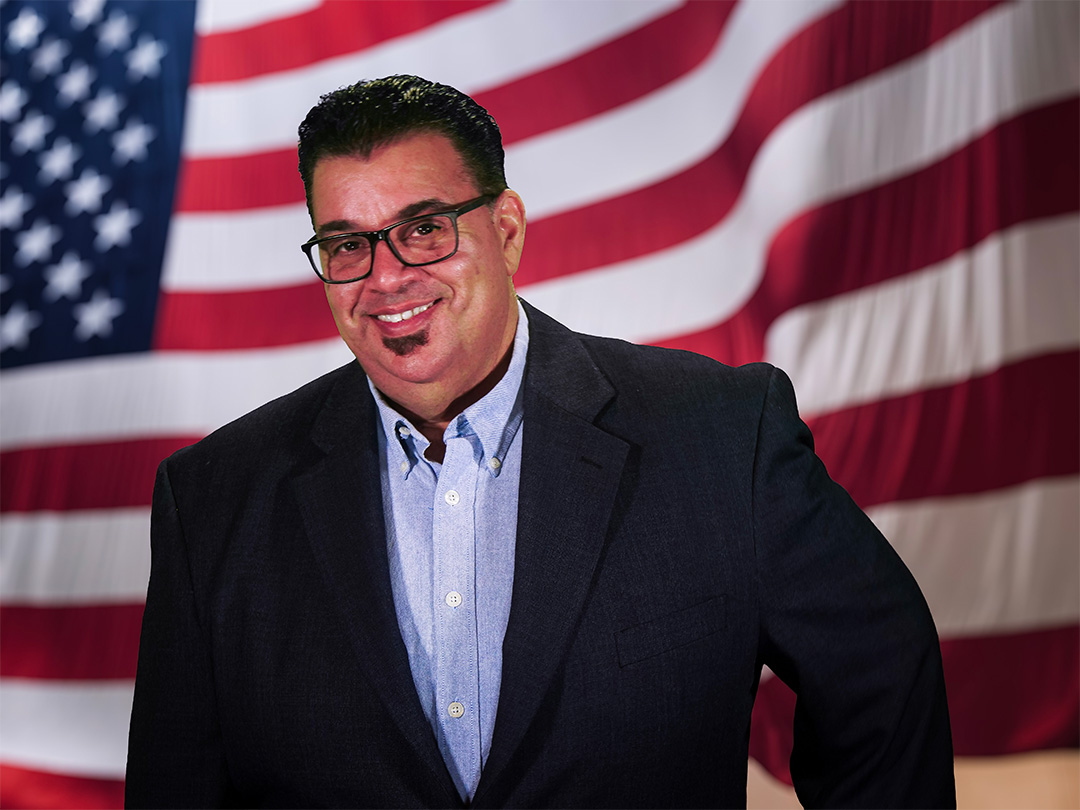
As your congressman, I would be committed to tackling this important issue now, especially as so many Americans are struggling to make ends meet with the current benefits schedule. We simply cannot afford to delay action on this matter. It’s critical that we move forward with legislation and kickstart the necessary discussions and debates today.
Chris Mora

