Parental Rights in Education – Woke No More!

Parental Rights in Education legislation is built on the principle that parents, rather than the
government or school officials, hold the essential right to guide the upbringing, education, and
healthcare of their children. Supporters view this legislation as a vital defense against what they see as government overreach and the inclusion of materials in public schools that they believe are inappropriate or politically biased.
At the heart of this argument is the belief that a parent’s authority is a fundamental liberty, a right that has been upheld by historical rulings from the Supreme Court. Advocates for this legislation assert that it strengthens this constitutional right, ensuring the government does not impede on this essential liberty without meeting rigorous legal standards. They maintain that public schools, funded by community resources, must answer to the parents of the students they serve. To this end, they call for increased transparency from school districts, requiring them to make curricula, teaching materials, and school budgets readily available for parents to review. This transparency aims to empower parents to evaluate what their children are learning and make informed decisions about their educational experiences.
Sexual Orientation and Gender Identity
One of the most debated aspects of this movement is its stance on issues related to sexual
orientation and gender identity in educational settings. Many believe discussions on these topics, particularly for children in kindergarten through third grade, are not “age-appropriate or developmentally suitable” and should be reserved for family discussions. There are also significant concerns about potential attempts by school staff or outside groups to “indoctrinate” young children with ideas that may clash with their family’s values. Therefore, this legislation is positioned as a safeguard, establishing clear boundaries so that sensitive subjects are introduced by parents when they feel it is appropriate or addressed according to state-defined, age-appropriate guidelines for older students.
The legislation also emphasizes the crucial role that schools play in supporting a child’s social and mental well-being. Many argue that schools should not be allowed to withhold important information from parents, especially regarding a child’s mental health services, significant changes in their social-emotional well-being, or decisions about using names or pronouns that differ from their biological sex. They consider policies that allow staff to affirm a student’s gender identity without informing parents a serious breach of trust and a direct challenge to parents’ authority as the primary decision-makers in their child’s life.
From a conservative perspective, a strong partnership between parents and schools is essential; however, this relationship must always recognize parents as the ultimate authority, with their rights not being set aside in the public school environment.
Ultimately, the push for Parental Rights in Education reflects a broader political movement aimed at reducing government influence in personal matters and reaffirming traditional family authority. It represents a cultural battle against what advocates see as the encroachment of progressive ideologies and “woke politics” in the educational system. ‘
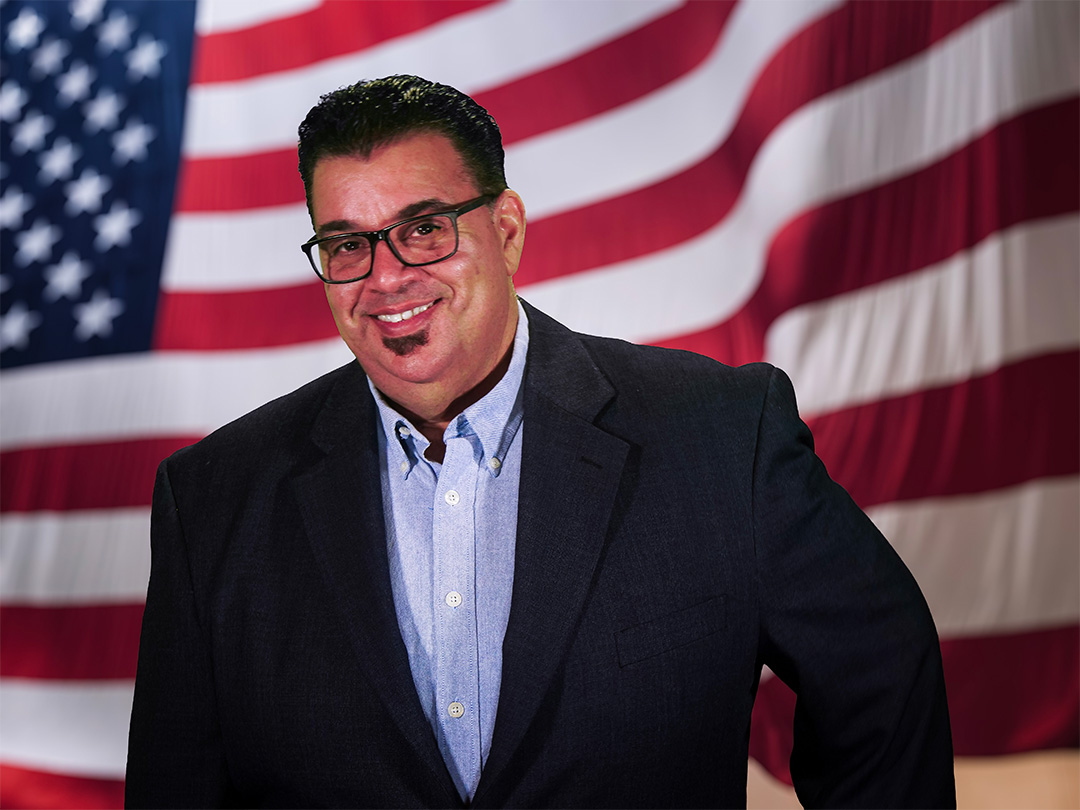
As your congressman, I would ensure that schools prioritize core academic subjects…reading, writing, and math over everything else. As I believe schools should be once again run by the states, I would work with the state officials to ensure they have the proper funding to those schools that make core academics the primary focus.
Chris Mora

